Services · First versions
MVP development agency
A first version limited to the core features, built by a London software studio to a written specification and launched on the web or the app stores, so an idea can be tested with real users before it needs scale.
Digital Souls Studios builds minimum viable products: the smallest release that lets a business or a founder test an idea with real users. MVP development services at the studio cover the specification, the design of the core flow, the build, the launch and the measurement, and the same codebase continues when the test succeeds.
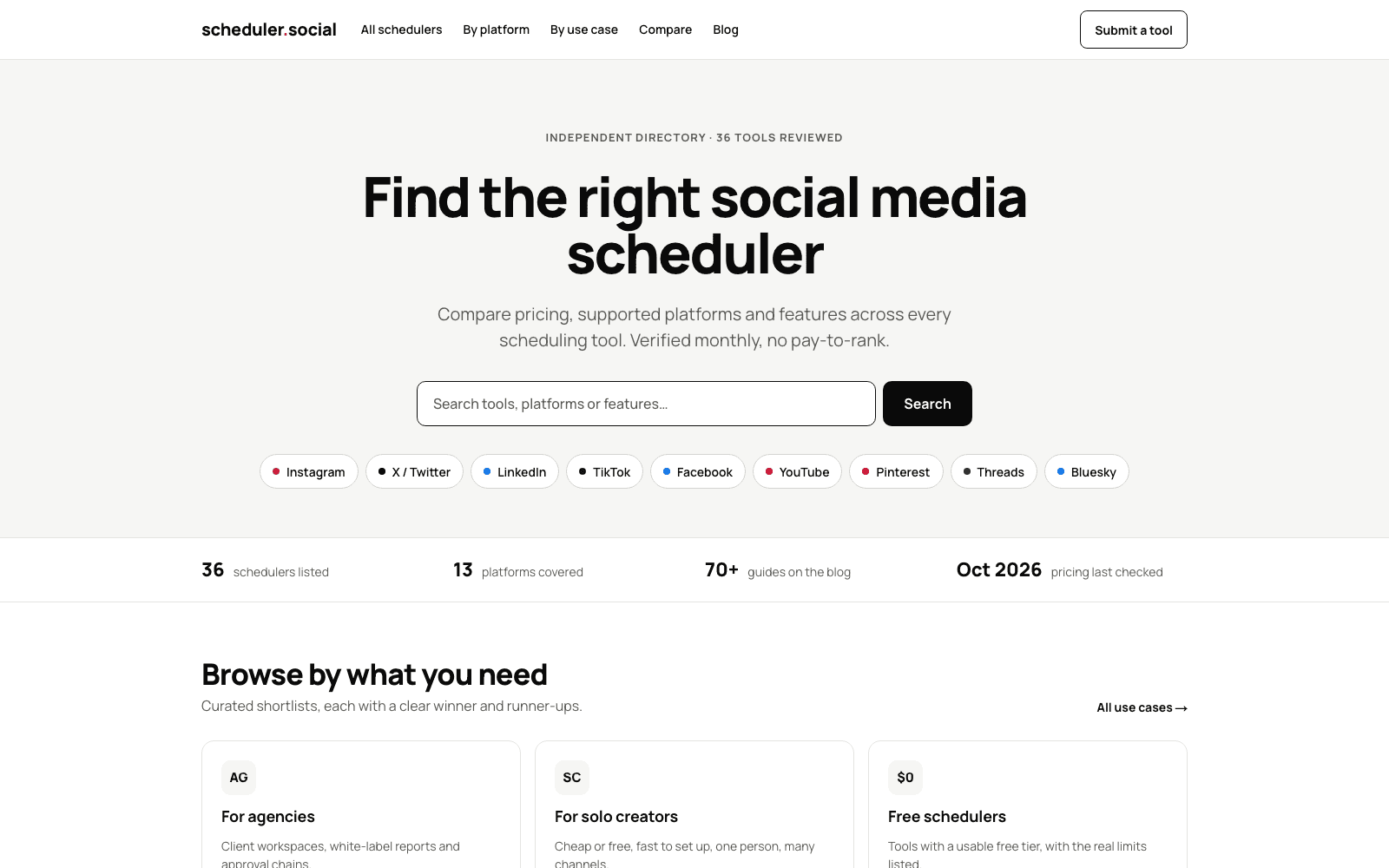
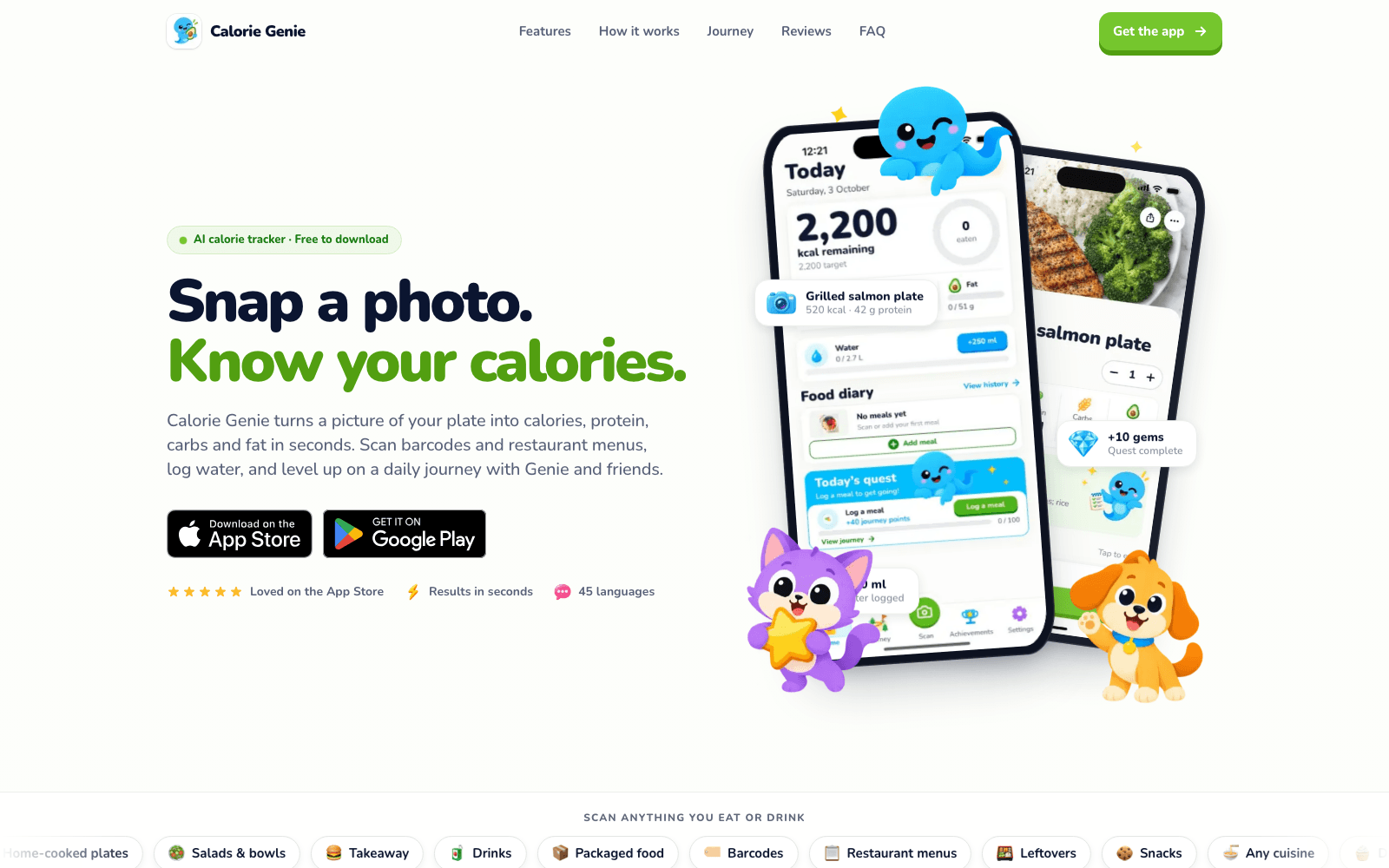
The studio has shipped first versions of its own: Scheduler.social, which began development in April 2025 and launched in beta in March 2026 before changing direction into a directory, and Calorie Genie, an AI calorie tracker released on the App Store in June 2026. For a client, Minday went from launch on one Danish job portal in July 2024 to a second in August 2025.
What an MVP build includes
- SpecificationThe core features, the users, and what a successful test looks like, written down before anything is built.
- DesignScreens for the core flow only, in Figma or straight to code. See UI/UX design.
- BuildThe application, its data and authentication, and payments or AI features where the test needs them.
- LaunchA deployable product on the web or in the app stores, with analytics in place so the test can be measured.
- After the testThe same codebase carries on. A first version from the studio is built to be extended, not thrown away. See custom software development.
Scope, not shortcuts
An MVP is small in scope, not low in quality. What is cut is features: the second user type, the admin screens that can wait, the integrations nobody has asked for yet. What is kept is the part that makes the product work: a data model that will survive the next ten features, authentication that is done properly once, and deployment a team can repeat.
The specification is where this is decided. It lists what is in the first version and, just as usefully, what is deliberately left out, so the test is a fair one and the next release is already outlined.
Who does the work
Catalina Crisan leads product and direction, which for an MVP means scoping the test and the screens. Isaac Surfraz leads engineering, with previous CTO roles at Minday and Medical Realities. Lucas Comte builds the back end. The three are on the studio page.
01-04
How a project moves
From discovery to deployment, we handle design, engineering, infrastructure, and launch.
- 01
Specification
Tell us about the idea in writing. We put together a specification tailored to the work.
- 02
Production
We design and build it, with regular updates rather than a long silence.
- 03
Launch
We help launch the project and leave it in a state a team can run.
- 04
Support
If you would rather not run it alone, support packages cover maintenance after launch.
Recent public dates: Calorie Genie reached the App Store in June 2026 and is also on Google Play; Scheduler.social launched in beta in March 2026; Minday went live on IT Jobbank in July 2024. The timeline for a first version is set in the specification.
Technologies
First versions are built on the same stack as the studio's larger work, so nothing has to be rewritten when the test succeeds: Next.js and React on the web, React Native and Expo for iOS and Android, Node.js services, PostgreSQL, and AWS or a managed host. AI features use OpenAI models.
Related work
Questions
- What does MVP stand for?
- Minimum viable product: the smallest release of a product that real users can use and that tells you whether the idea works.
- What do MVP development services include?
- At Digital Souls: a written specification of the core features and the test, the design of the core flow, the build, a launch on the web or in the app stores with analytics, and support afterwards. The codebase is built to continue after the test.
- How much does an MVP cost?
- Project work is quoted in writing after the specification, so there is no public price for a first version. Published UK bands for an MVP are in the custom software cost guide. The published packages, including the all-in-one retainer from £1,000 a month, cover the work after launch.
- How long does an MVP take to build?
- The specification sets the timeline, and the release date is agreed before production starts. The studio's own first versions give the scale: Calorie Genie went from build to the App Store within the first half of 2026.
- What happens after the MVP?
- If the test succeeds, the next release is built on the same codebase, either as a further project or under the retainer. If it does not, you own what was built and the specification records what was learned.